Ask a freight forwarder how they get a drayage quote, and you’ll often hear about phone calls, emails, and waiting. Parcel shippers have had instant, standard pricing for years. Container trucking, for the most part, hasn’t.
CDL1000 wanted to change that, so we built the platform to do it. This post answers the questions people usually ask when they hear about the project. The full write-up is on our CDL1000 portfolio page.
Who is CDL1000?
CDL1000 Inc is an asset-based third-party logistics company based in Chicago, Illinois. It runs around 60 trucks on short-haul deliveries for customers across the Midwest. Its CEO is a serial entrepreneur and logistics expert, and the team around him is comfortable with technology and keen to use it.
The company doesn’t offer a one-size-fits-all service. It meets with customers to learn about their business, works out what’s missing, and designs a solution to improve their supply chain. One line from the project page stuck with us: CDL1000 doesn’t just move freight; it moves information. The team sees data as part of the service, not an extra.
It started by moving containers around the Chicago area and the wider Midwest.
What is drayage, and why does it need a calculator?
Drayage is short-distance container hauling, typically the leg between a rail yard or port and a warehouse. It’s a specialized corner of trucking, and pricing it usually means working out each quote by hand.
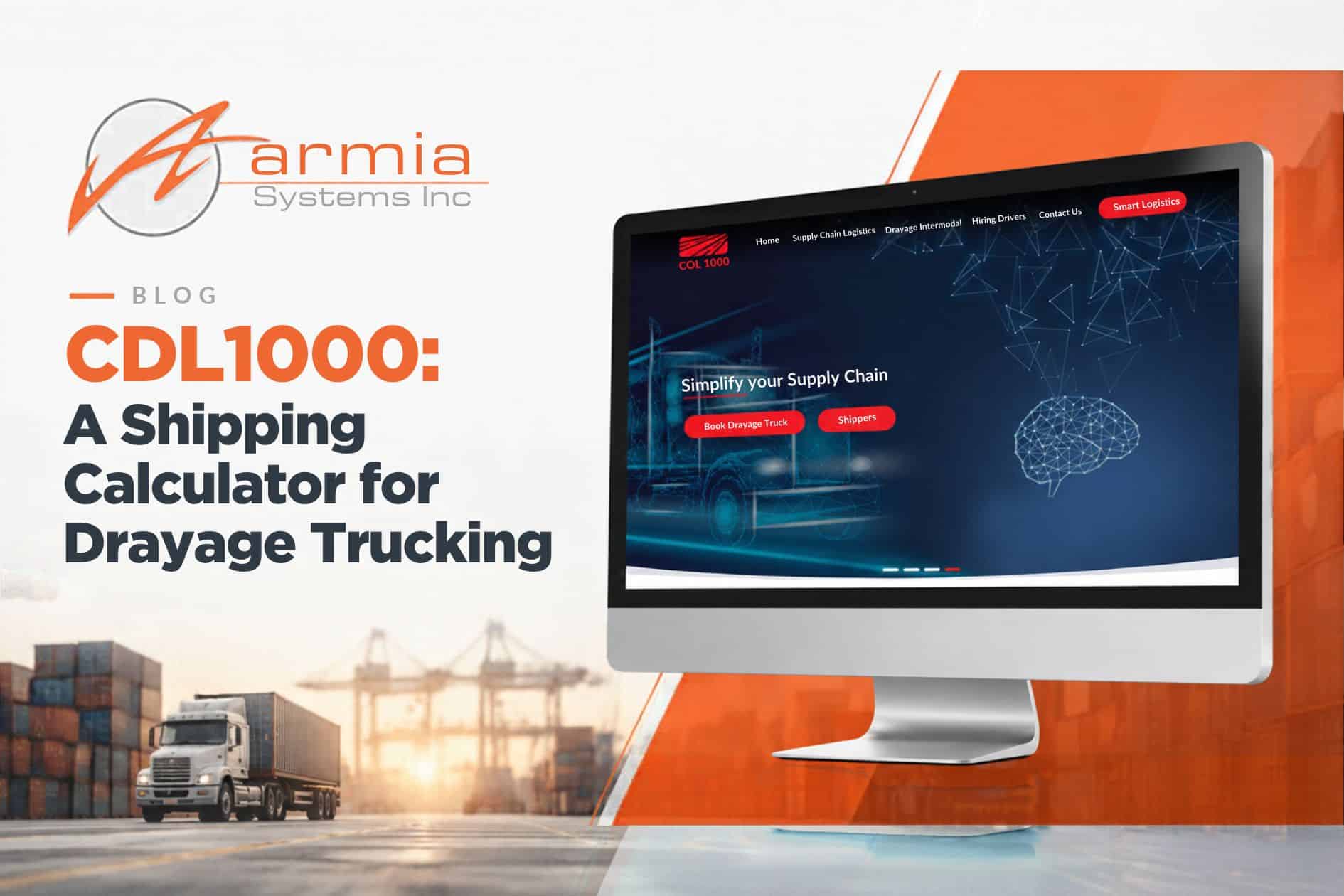
The CDL1000 platform includes a web calculator for exactly this. The project page compares it to a shipping calculator in the style of FedEx’s system, built for freight forwarders in the drayage inter-modal industry. It offers consistent pricing, reliably tracks miles and costs, and is described as a new, innovative approach in the trucking industry.
The appeal is easy to see. A forwarder can get a price straight away instead of waiting for a reply, and the trucking company spends less time on quotes.
What happens after the booking?
Getting a price is only the first step. The platform also gives the company tools to run the delivery side.
On the office side, there’s a dispatcher delivery board. From it, the team can manage deliveries and drivers and pull up reports, so everything happens from one screen.
On the customer side, business customers can subscribe to real-time tracking updates. The people receiving deliveries and pickups can watch live tracking and receive notifications, which helps them plan for a truck’s arrival.
What about the drivers?
Drivers have a mobile app built for the job. They use it to track pickup and drop-off locations and manage their orders.
Real-time driver tracking relies on two things: the status updates the driver makes, and the driver’s live location. Together, those are what customers and dispatchers see on their side.
What’s it built with?
The platform uses Angular JS and Node JS with a MongoDB database, hosted on AWS EC2. Stripe handles payments, and the Google Maps API powers location services. It also includes a content management system.
Why does this project matter to us?
Plenty of trucking software focuses on the truck. CDL1000 asked a slightly different question: what does the customer need to know, and how quickly can they know it? A price on demand, a live view of the delivery, and a notification when the truck is close all answer that.
It’s also a good example of a company letting its technology reflect how it already works. CDL1000 was already built around understanding its customers’ needs, and the platform made that approach easier to deliver.
Have a similar problem in your industry?
If your business still quotes jobs by hand or sends updates by phone, there’s probably a calculator, board or tracker waiting to be built. We’d be happy to hear about it. Get in touch with our team, see how we built on the portfolio page, or explore our logistics solutions.
